Texas law provides for harsh penalties related to the use, possession, cultivation and delivery of marijuana (also known as cannabis, pot, or weed). A recent study by the American Civil Liberties Union (ACLU) shows that Texas has one of the highest arrest rates for the possession of marijuana in the United States.
In fact, more than 74,000 people were arrested for marijuana possession in Texas in 2010. More than 97% of those arrests were for the simple possession of two (2) ounces or less of marijuana.
The crime of possession of marijuana requires proof that a person knowingly or intentionally possesses a usable quantity of marijuana. For purposes of the marijuana possession laws in Texas, the term “possession” means the actual care, custody, control or management of the marihuana.
The possession of cannabis is a voluntary act if the possessor knowingly obtains or receives the thing possessed or is aware of his control of the thing for a sufficient time to permit him to terminate his control.
If you were arrested for any type of marijuana crime including possession, possession with intent to deliver, cultivation or trafficking, then contact an experienced criminal defense attorney in San Antonio, TX.
Don Flanary represents clients on serious drug crimes with an emphasis on marijuana defense throughout the greater San Antonio area. He aggressively fights drug cases throughout Bexar County and the surrounding counties of Kendall County, Comal County, Guadalupe County, Wilson County, Atascosa County, Medina County, and Bandera County.
Call (210) 738-8383 today for a free consultation.
The following penalties apply to crimes involving the possession of marijuana under the Health and Safety Code, Section 481.122:
The penalties for the delivery of marihuana under the Health and Safety Code, Sec. 481.120 include:
Marijuana-related crimes in Texas include:
Under Texas law, the term “marihuana” is defined as “the plant Cannabis sativa L., whether growing or not, the seeds of that plant, and every compound, manufacture, salt, derivative, mixture, or preparation of that plant or its seeds.” The legal definition of marijuana does not include:
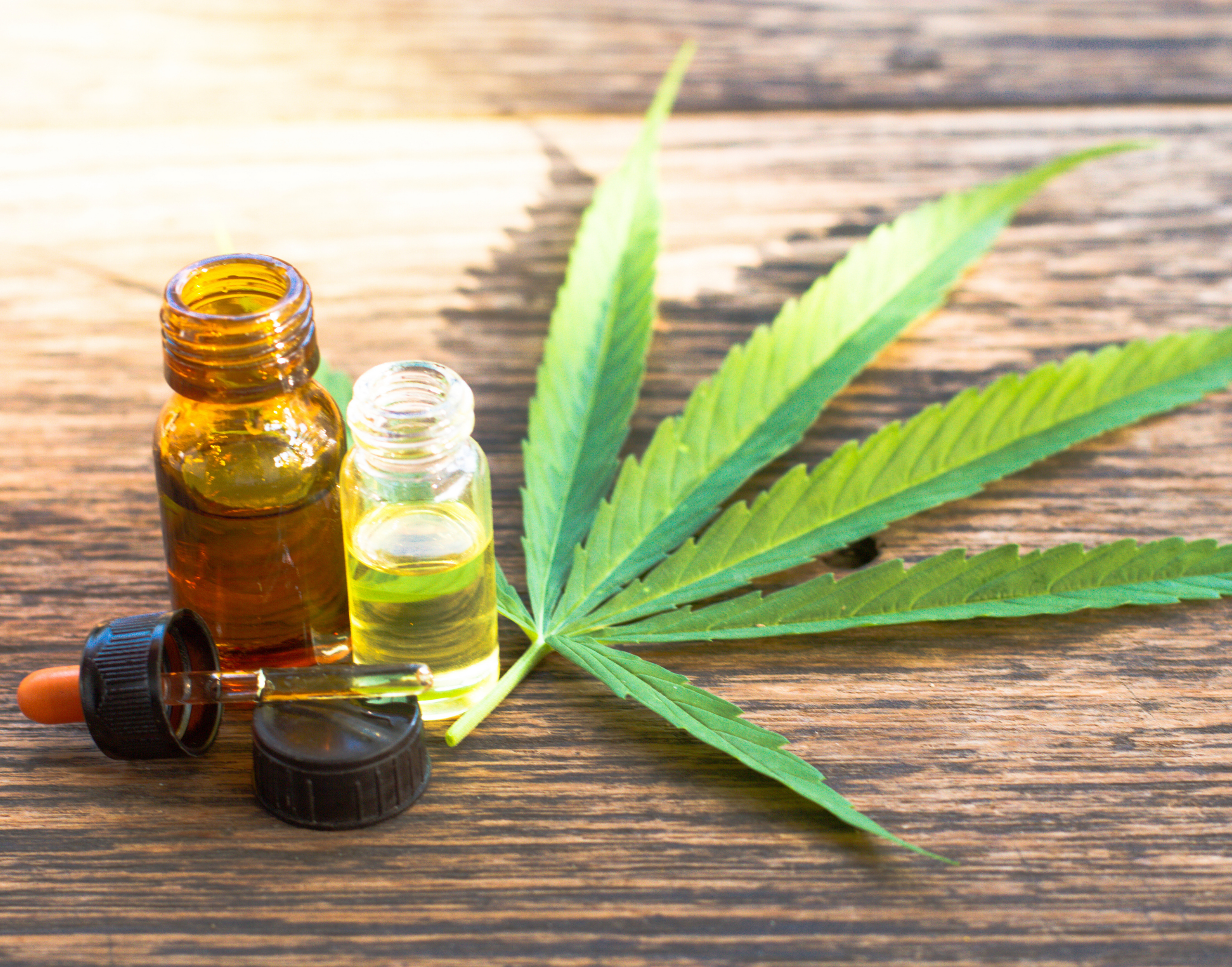
Although it doesn’t make a lot of sense, marijuana concentrates such as extracts, wax, oils or hashish (even if it has the same or less THC) are not included within the definition of marijuana. On the street, marijuana concentrates are often called honey oil, honey wax or shatter.
A state criminal charge is prosecuted by the state in the state court system. Typically, state charges are lesser charges and often carry fewer penalties. Federal criminal charges are violations of federal law and are prosecuted by the U.S. attorney’s office. Federal offenses are often investigated by the FBI, DEA, or SEC, depending on the nature of the crime. Federal criminal charges tend to carry more severe penalties, including exorbitant fines and extended prison sentences. Federal cases also tend to take longer, especially if they go to trial, due to the nature of the charges and the many agencies working together with the prosecution.
Ideally, the best time to hire a defense attorney is as soon as you learn you are under investigation or there are charges against you. The sooner you contact our legal team, the sooner we can investigate your case and develop a legal strategy. Similarly, if you are asked to speak to law enforcement or the police, always contact a Texas criminal defense attorney on our team first. Police officers may be attempting to get information from you. We can advise you of your rights and even accompany you to the meeting to ensure you remain protected the entire time.
An arraignment hearing is the first initial hearing after a defendant has been arrested and charged. During this hearing, the defendant will learn more about the charges against them and their rights. A charged individual can either be assigned an attorney or request one. At this hearing, a judge will decide whether the defendant can be released until the trial or held in prison. If an individual meets the requirements for bail, they will likely be released until their trial date. The judge will review facts about them, like their criminal history and nearby family members, before deciding on bail.
In some instances, self-defense is a valid defense for a criminal act. Self-defense is defined as defending the health and wellness of yourself or another person from harm. In most cases, you cannot use more force than necessary to harm or kill another person. For instance, if someone with a knife attacked you, using a knife against them may be considered self-defense. Using a gun, on the other hand, may be classified as manslaughter or murder. If you are curious about using self-defense as a defense strategy, our legal team can review your case and advise you of your options.
No, you do not have to speak to the police even if you are arrested. Every individual has the right to remain silent, even if they are in jail or police custody. You must provide information about your identity, like your name, to the police if they ask. If you would like to invoke your right to silence, it is essential that you tell the police you wish to remain silent. Otherwise, your silence could be construed as unwillingness to cooperate with law enforcement, which can be used against you in court. You also have the right to hire an attorney for criminal defense in Texas before speaking to the police.
While going to trial is always possible, very few cases actually make it to court. In some instances, our Texas defense attorneys can argue against the evidence in your case to get your charges dismissed altogether. If not, our team can negotiate with prosecutors to secure a plea deal that reduces or even removes the penalties against you. If these options are not possible or not in your best interest, then your case will likely go to court. In that scenario, our team will spend time building a defense strategy to present before a judge to get you the outcome you deserve.
Many factors affect how long a criminal case could take. In most instances, a case will be resolved within about six months. However, the complexity of your case, as well as the witnesses and evidence involved, could make it take much longer. Generally, federal and felony charges take longer to resolve than state or misdemeanor cases. Similarly, cases that go to trial often take longer to resolve than cases that don’t, simply because a criminal trial can take multiple days or weeks. If you have questions about the timing of your criminal case, contact our law office today.
Generally, misdemeanor charges are less serious than felony charges. In most cases, misdemeanors are given to those who commit non-violent, non-sexual crimes. Under federal law, a misdemeanor is punishable by less than one year in prison and a few hundred or thousand dollars in fines. A felony, on the other hand, is a more serious offense and is punishable by a prison sentence of one year or more. Felony charges are typically given to those who commit violent or sexual crimes, especially if they already have a criminal record. You may face both misdemeanor and felony charges depending on your criminal offense.
Our law office team has years of experience working on a diverse range of criminal cases. Our practice has ranged from defending domestic violence offenses to drug crimes, DWI, theft, sex crimes, violent crimes, white-collar crimes, and more.
Defendant was charged with the unfortunate death of a 10-year-old boy in this intoxication manslaughter case before the 379th Judicial District Court of Bexar County, Texas, and was facing up to 20 years in prison. Donald H. Flanary, III., and his co-counsel were able to show the defendant’s side of the story and point out other factors that led up to the victim’s death, which were out of the defendant’s control. Don Flanary was also able to challenge the validity of the blood test done in the case, which he found issues with. Defendant was acquitted at trial.
Defendant was charged with Interference with Public Duties in the County Court at Law No. 14 of Bexar County, Texas. Associate Amanda I. Hernandez assisted in the trial and helped secure a not guilty-by-directed verdict. There, the officer’s testimony did not match the charging instrument and the defendant was acquitted.
Defendant was charged with DWI in Bexar county and was represented by Donald H. Flanary, III., at trial. After a jury trial ended in a mistrial, the case was subsequently dismissed by the State.
Although the possession of less than four ounces of marijuana is a misdemeanor, the possession of even a tiny amount of concentrate, extracts, wax, oils or hashish (even if it has the same or less THC) is charged as a felony in the State of Texas. Instead, marijuana concentrates are considered to be tetrahydrocannabinol (THC) which is classified in Penalty Group 2.
Under Health and Safety Code, SEC. 481.116, the penalties for marijuana concentrates include:
Other penalties for the possession of marijuana concentrates include a driver’s license suspension for a drug offense conviction.
The crimes for possession of marijuana paraphernalia are more serious if the item is used to manufacture, deliver, or possess with intent to deliver. Those offenses are classified as a Class A Misdemeanor punishable by a term of imprisonment no greater than 1 year and/or a fine no greater than $4,000.
Marijuana offenders had the shortest average term of imprisonment of all drug types. The average sentence was more than seven (7) years and the median was 5 years. A majority of marijuana offenders received a sentence of more than one (1) year up to and including five (5) years in prison.
Learn more about the way drug crimes are prosecuted in federal court in the San Antonio Division of the Western District of Texas.
Penalties for Marijuana Crimes in Texas – Visit the website of the National Organization for the Reform of Marijuana Laws (NORML) to learn more about Texas laws and penalties for marijuana crimes including possession, sale, cultivation, hash and concentrates, and paraphernalia. Also find the misdemeanor penalties that can be imposed for the possession of marijuana paraphernalia in Texas.
If you were charged with a crime related to the use, possession, possession with intent to deliver, sale, or cultivation of marijuana, then contact Don Flanary, an experienced criminal defense attorney in San Antonio, TX.
Don Flanary is experienced in fighting criminal charges for the possession of marijuana under Health and Sa
fety Code, SEC. 481.121. Don Flanary also represents clients charged with related offenses for the operation of a grow house, delivery of marihuana, and delivery of marihuana to a child in violation of Health and Safety Code, Section 481.122.
Whether you are charged with the misdemeanor possession of one-fourth of an ounce or less or the more serious offense of trafficking 2,000 pounds or more of cannabis, Attorney Don Flanary can help you fight the charges.
All to find out more about important defenses for the crime of intentionally or knowingly possessing marijuana.